The painful story of SIRI & what to learn.
microsoft, google, amazon even samsung took a lot of voice data from *
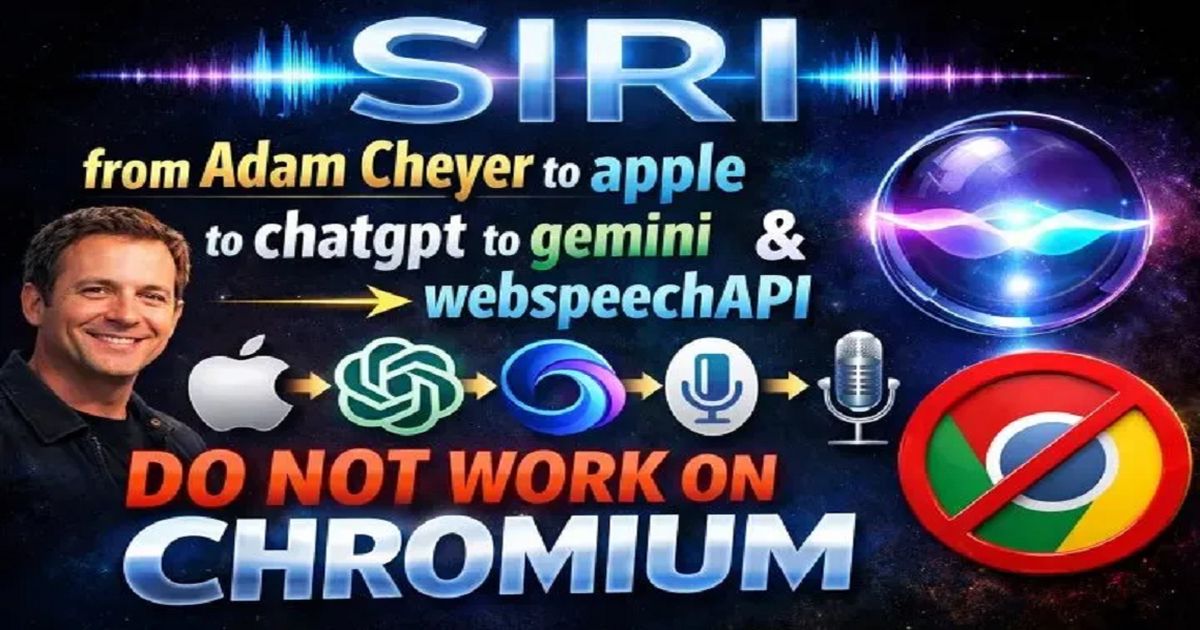
Siri: The Cost of Restraint
Siri’s story began with an acquisition, not a grand internal vision. Apple bought a small startup that dared to imagine talking to machines like humans. In 2011, Siri arrived as a wonder - voice commands felt magical, futuristic, almost alive. Apple had the stage, the audience, and the best hardware in the industry.
But then came the hard trade-off.
Apple chose privacy over data. Siri was designed to collect as little user voice data as possible. Requests were anonymized, processed on-device when possible, and aggressively sandboxed. From a user-trust perspective, it was admirable. From an AI-training perspective, it was crippling. While competitors listened, logged, learned, and improved, Siri stayed cautious - and static.
Meanwhile, Apple’s hardware raced ahead. iPhones, iPads, and Macs packed powerful Neural Engines, custom silicon, and industry-leading performance. The irony was painful: the most capable hardware was running the most conservative assistant. Siri wasn’t limited by chips - it was limited by policy.
Samsung and Google took the opposite path. Google Assistant fed on search queries, voice samples, context, and intent. Every failure became training data. Every question sharpened the model. Samsung tried knowing the user; Google tried knowing the world. Slowly, users noticed the gap. Siri could set timers - but Google could explain things.
So users adapted.
When Siri failed, people stopped retrying. They redirected - to Google Search, to forums, to YouTube. And eventually, to ChatGPT. Here, the interaction changed completely. No wake word. No rigid commands. Just conversation, memory, and reasoning. The assistant finally talked back like a human.
Now the landscape is shifting again.
Google, having mastered data and scale, is folding generative AI into everything - search, Assistant, Android, and Chrome. The assistant is no longer an add-on; it is the interface. With years of collected context and fresh AI models, Google is poised to take over the assistant space once more.
Apple still has the best hardware. Apple still has user trust. But AI is not built on silicon alone - it’s built on learning. Siri’s journey shows the cost of restraint in a world that rewards iteration.
The future assistant won’t just hear you.
It will remember, reason, and respond.
Note: Web Speech API does not work on Chromium - only on Chrome.
silicon pin
Engineering, systems programming, and curated technology insights.